
Travel database schemas
Bookings and availability, where a night or a seat is a row rather than a date range, because that is what makes inventory, pricing and overbooking tractable. Every one opens in the free drawDB editor in a click, and is public domain.
6 schemas here, from 10 to 14 tables (76 tables and 785 columns in total), written for PostgreSQL, MySQL. Each one ships an ER diagram you can open and edit, a column-by-column reference, design notes explaining the trade-offs, and SQL for all six dialects. Recurring themes across the set: inventory, pricing, marketplace, reservations, ticketing.
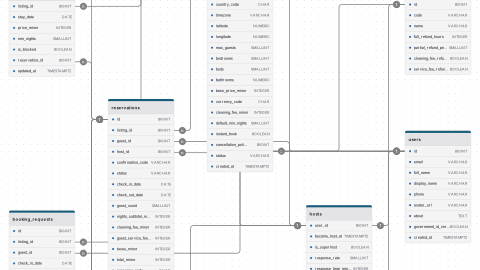

Airbnb database schema
How a short-term rental marketplace models its data: hosts and listings, a host-owned per-night calendar, request-to-book versus instant book, reservations, guest payments and host payouts, and two-way reviews that only reveal once both sides have written.
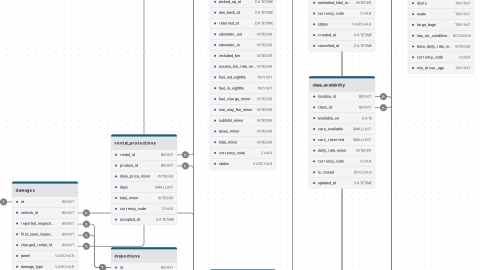

Car rental and fleet database schema
A vehicle rental schema: branches, vehicle classes versus the individual cars behind them, a per-branch availability calendar, reservations and signed agreements, mileage and fuel, damage inspections with photos, protection add-ons and one-way fees.
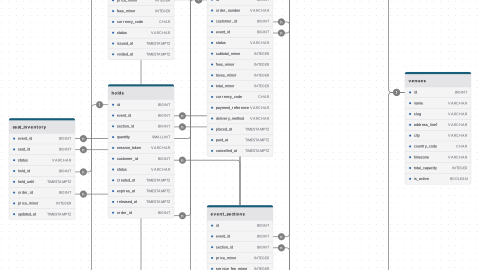
Event ticketing and seat reservation schema
A ticketing schema built around expiring checkout holds: venues with sections and seats, events, general-admission capacity pools, per-seat inventory, orders, tickets with rotating QR identifiers, transfers, door scans and partial refunds.
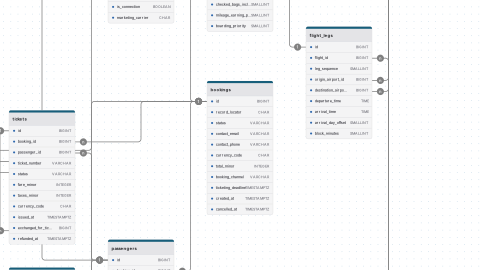
Flight booking and airline reservation schema
An airline reservation schema: airports, scheduled flights and their legs, weekly operating patterns, dated departures, fare classes with overlapping inventory buckets, PNR bookings, e-tickets, seat maps and assignments, and ancillaries.
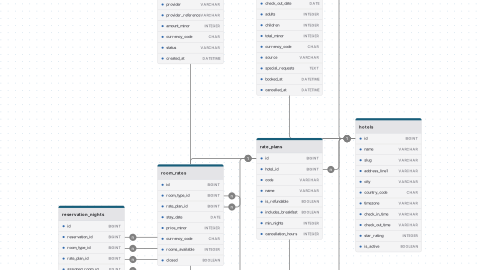
Hotel booking & reservation database schema
A reservation system that actually handles availability: room types versus rooms, rate plans, a per-night rate and inventory calendar, reservations broken down by night, payments and verified reviews.
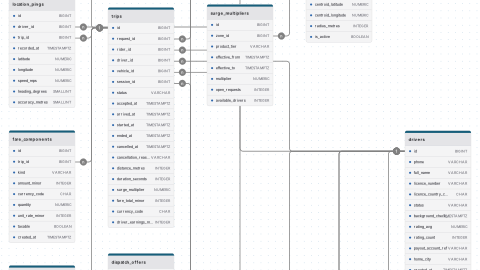
Uber ride-hailing database schema
How a ride-hailing app models its data: riders and drivers, vehicles and expiring documents, online sessions, ride requests, dispatch offers that time out, trips as a state machine, GPS pings, itemised fares with surge, and two-way ratings.