
Healthcare database schemas
Clinical records where the plan and the event are different things, findings are coded against published terminologies, and nothing is ever deleted. Every one opens in the free drawDB editor in a click, and is public domain.
6 schemas here, from 11 to 13 tables (75 tables and 729 columns in total), written for MySQL, PostgreSQL, SQL Server. Each one ships an ER diagram you can open and edit, a column-by-column reference, design notes explaining the trade-offs, and SQL for all six dialects. Recurring themes across the set: scheduling, appointments, claims, compliance.
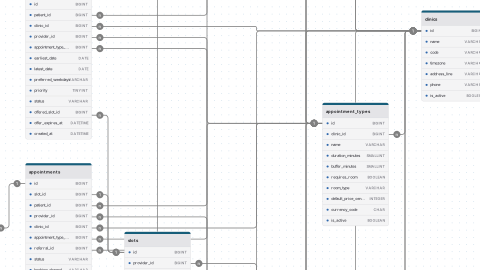

Clinic appointment scheduling database schema
Outpatient scheduling in MySQL: recurring availability templates that generate slots, appointments that consume exactly one slot, waitlists that backfill cancellations, two-way reminders, referrals, and a dated no-show policy.
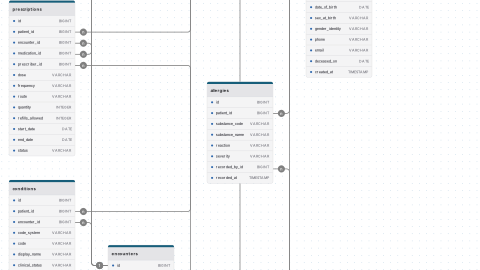

Hospital / EHR database schema
The core of an electronic health record: patients and providers, appointments versus encounters, coded conditions and observations, prescriptions against a drug catalogue, allergies and insurance coverage over time.
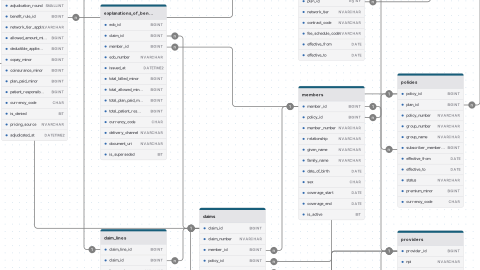

Health insurance claims processing database schema
Payer-side claims processing in SQL Server: plans with benefit rules, policies covering members and dependents, provider network tiers, claims with service lines, per-line adjudication, coded denials, appeals, explanations of benefits and remittance to providers.
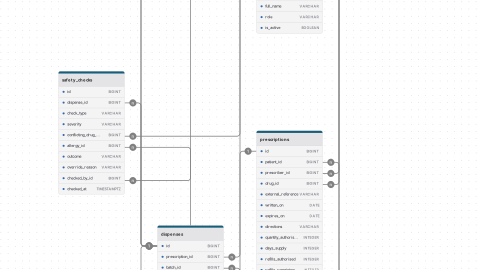
Pharmacy dispensing & inventory database schema
How a dispensing pharmacy models its data: a drug catalogue by strength and form, stock held as batches with expiry dates picked first-expired-first-out, dispense events, interaction and allergy checks, insurance claims and a controlled-drugs register.
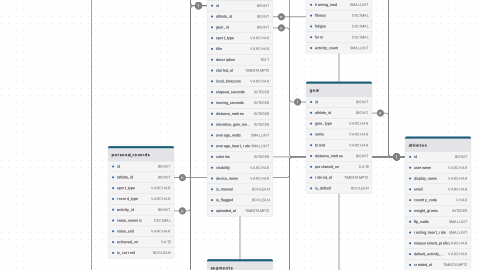
Strava-style fitness tracking database schema
How a fitness tracking app models its data: activities with compressed sensor streams instead of one row per second, segments and segment efforts with materialised leaderboards, personal records, kudos and comments, clubs, gear mileage and training load.
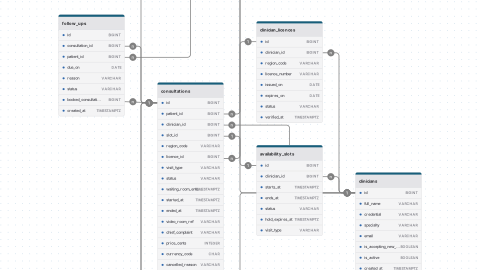
Telemedicine platform database schema
How a virtual care product models its data: clinician licences per state with expiry dates driving who may treat whom, bookable slots, video consultations with a waiting room, intake forms, e-prescriptions routed to a pharmacy, and per-region pricing.